 01
01Whole-class spoken response
- In the room
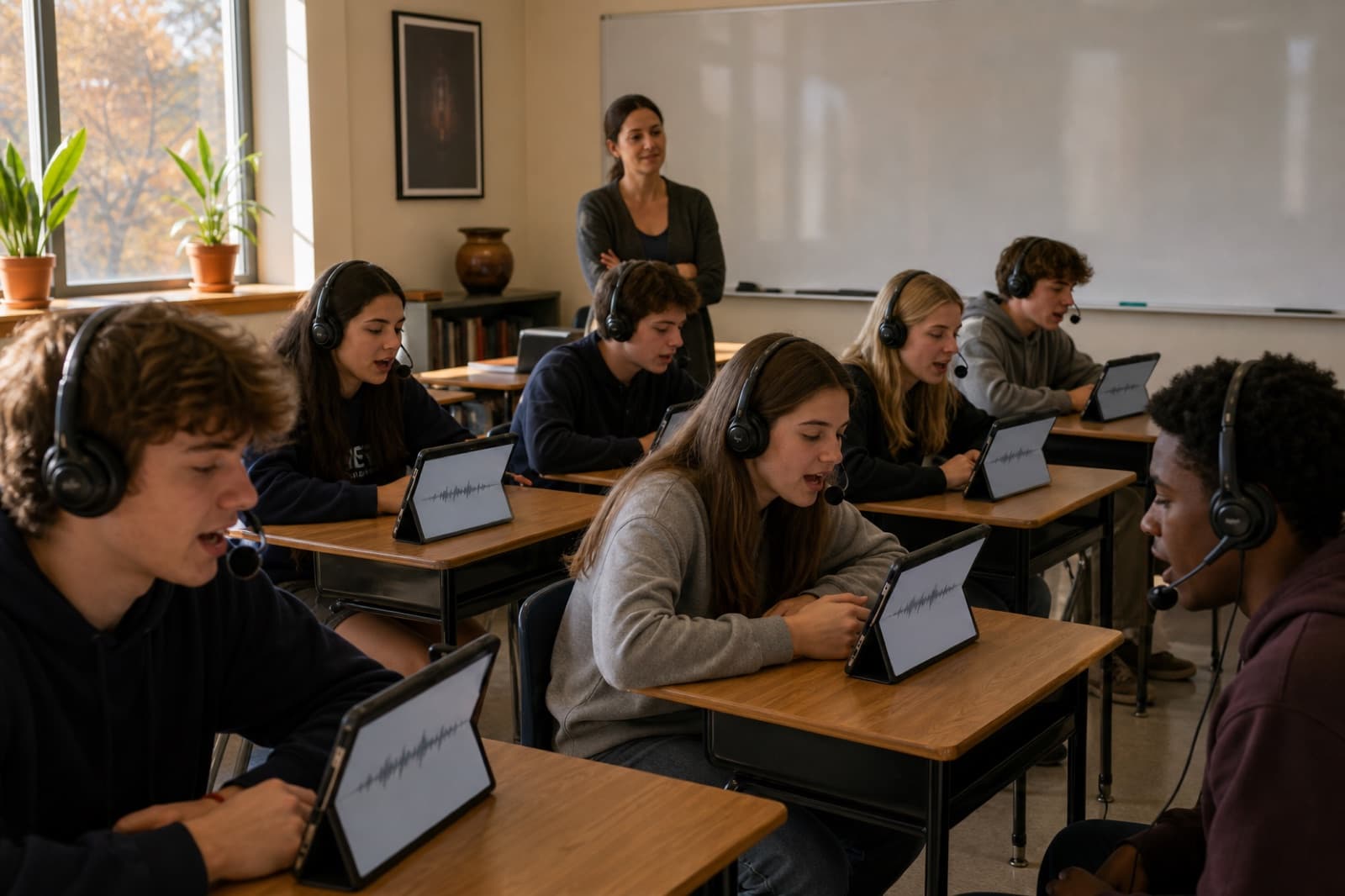
- Every learner speaks the prompt instead of waiting for a turn.
- Product signal
- Parallel capture, completeness checks and a score for each submitted response.
Collect spoken responses from a class at the same time, surface common problems and help teachers adjust instruction while the lesson is still happening.

Training centres, language labs and blended-learning classrooms
/three classroom moments
The same spoken responses can power a live activity, a teacher glance, and a later practice assignment—without turning the class into a ranking board.
01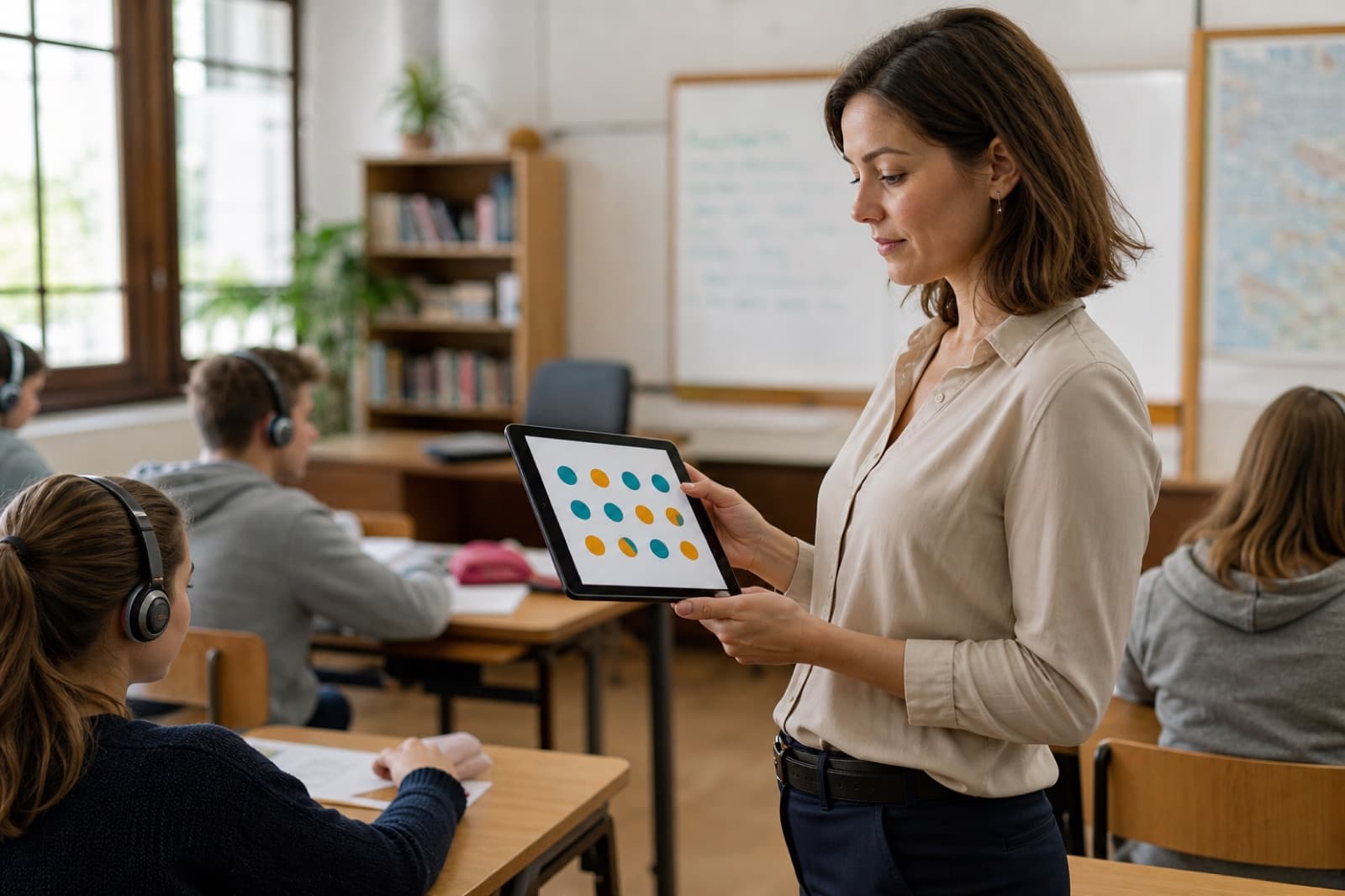 02
02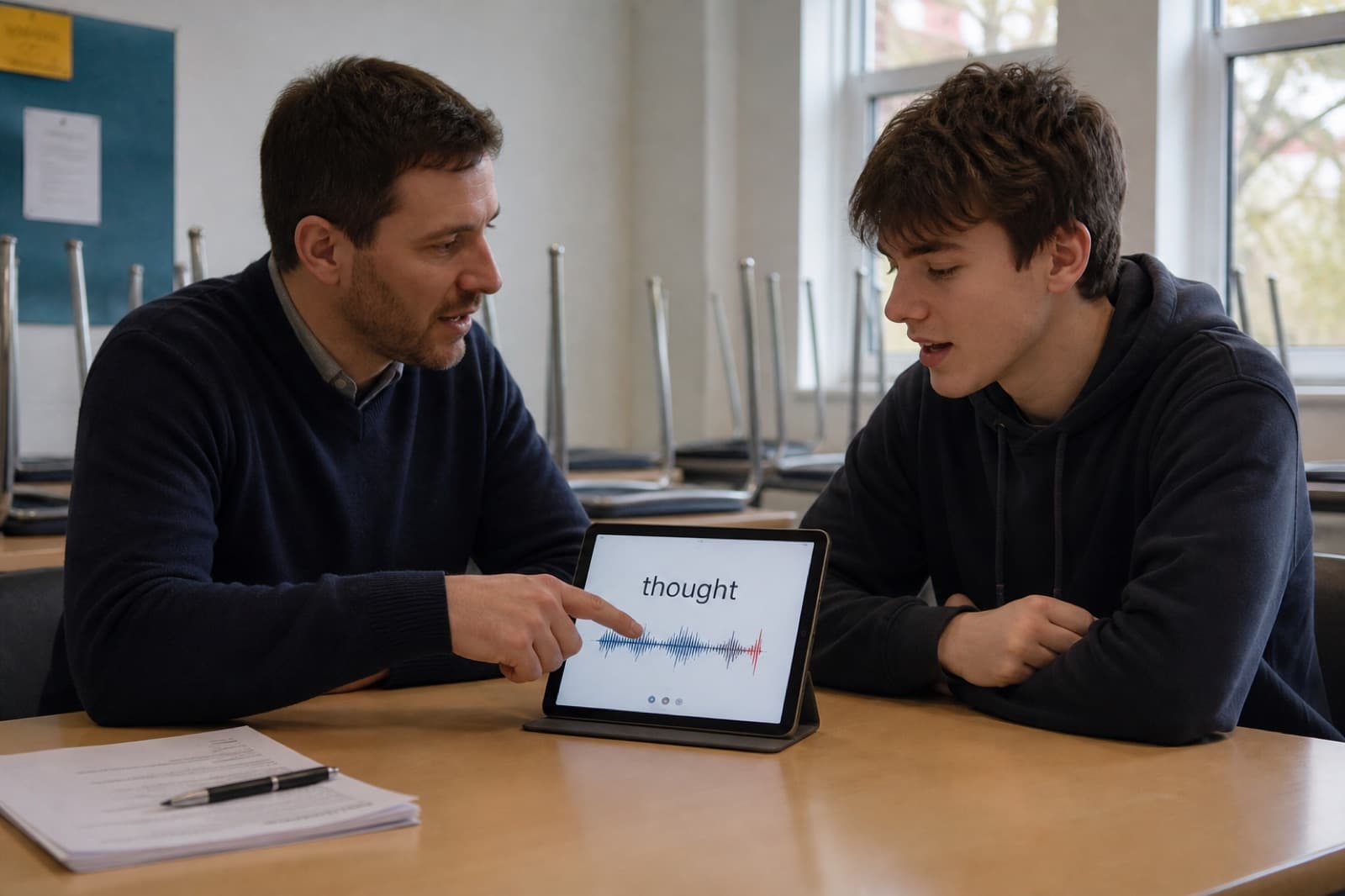 03
03See the assessment engine, without the agent layer.
Choose the product SDK experience or the MCP agent walkthrough based on how you plan to integrate.
/built for the live classroom
Classroom products are not dashboards that teachers read after school. They have to start an activity quickly, collect the room in parallel, and show the shared problem before the period ends.
Launch a word, sentence, dialogue or open response and collect the class on headsets, tablets or lab devices instead of waiting one by one.
Group common pronunciation, fluency and completeness signals so the teacher can correct the room, then open individual evidence on demand.
Keep participation and error patterns so homework and the next lesson continue from what actually happened in class.
/the teaching decision
Decide which issue deserves whole-class instruction and which learners need individual follow-up.
A teacher cannot listen closely to every learner during one class period.
Class-wide insight, faster intervention and a clear practice record for each learner.
/who acts on the evidence
Needs: A chance to speak even when class time is limited.
Every response can be heard, scored and included.
Needs: A quick view of common and individual problems.
Evidence for a whole-class correction or targeted follow-up.
Needs: Consistent delivery across teachers and locations.
Comparable participation and learning records without replacing teacher judgment.
/from prompt to intervention
The useful classroom loop is short enough to run inside one activity—not a report teachers open later.
The teacher launches a word, sentence, dialogue or open response from the lesson.
Learners respond on headsets, tablets or lab devices instead of waiting one by one.
The product groups common pronunciation, fluency and completeness signals for the class.
The teacher addresses the shared issue, then assigns focused practice to the learners who need it.
/ready for classroom design
If starting an activity is harder than calling on one student, teachers will not use the assessment layer.
Make starting, stopping and re-running an activity simpler than managing individual recordings.
Show the class pattern first, with individual evidence available on demand.
Handle headset differences, noisy rooms and interrupted uploads without confusing the learner.
Classroom scores should support instruction, not become a hidden ranking system without context or teacher review.
/related scenarios

Speech assessment for young voices.
Open scenario
Give every learner useful speaking feedback, at any scale.
Open scenario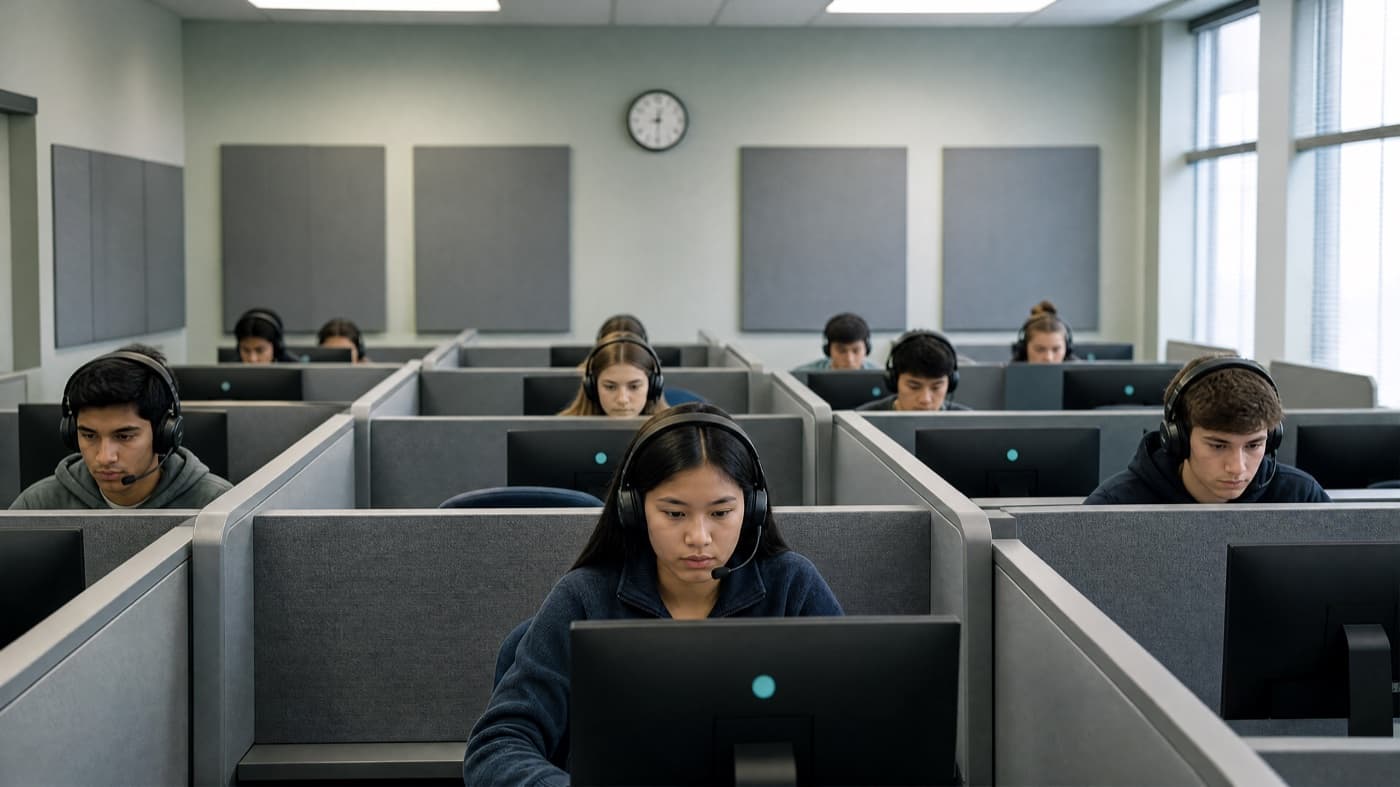
Make speaking assessment consistent, explainable and easier to operate.
Open scenario