
 01
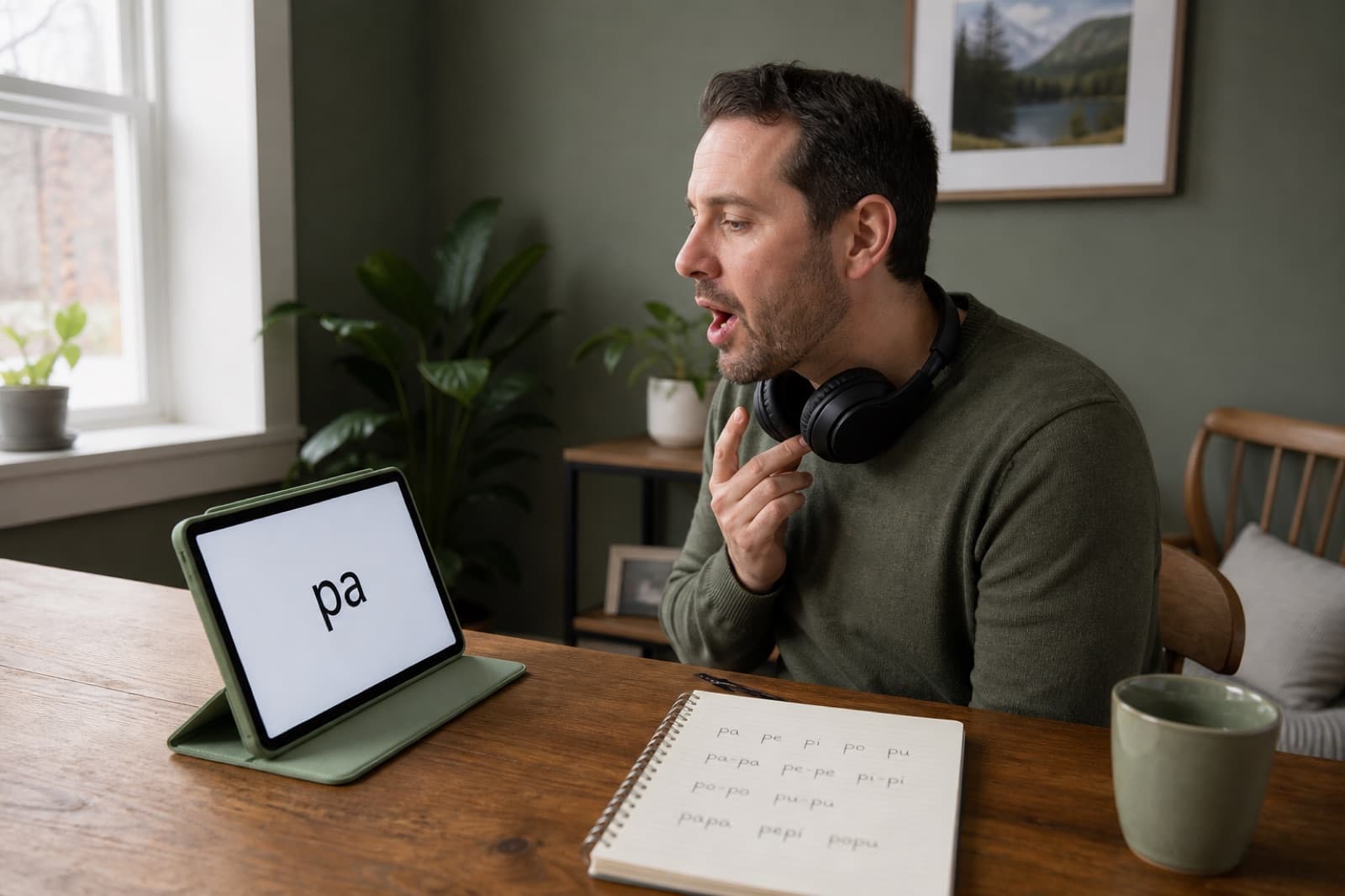
01Assigned exercise
- Practice experience
- A short, specialist-chosen task that is easy to repeat.
- Product signal
- A controlled prompt, a consistent recording, and feedback the professional has allowed the participant to see.
Support clinician- or coach-led practice with consistent acoustic measures, assigned exercises and longitudinal progress evidence.
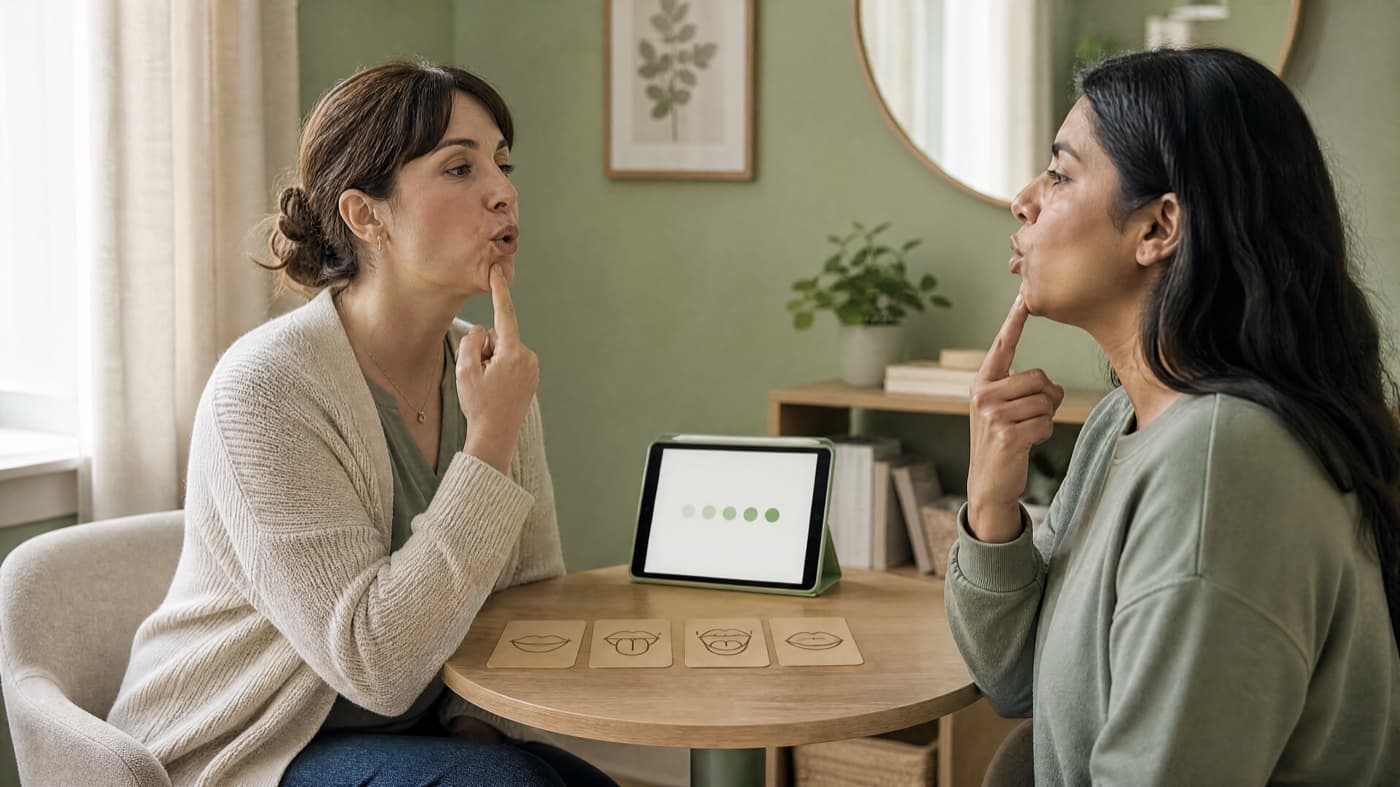
Speech-practice products, specialist training and clinician-supported programmes
/three practice moments
The participant needs a simple routine. The professional needs comparable attempts. The product should not speak in clinical language.
01 02
02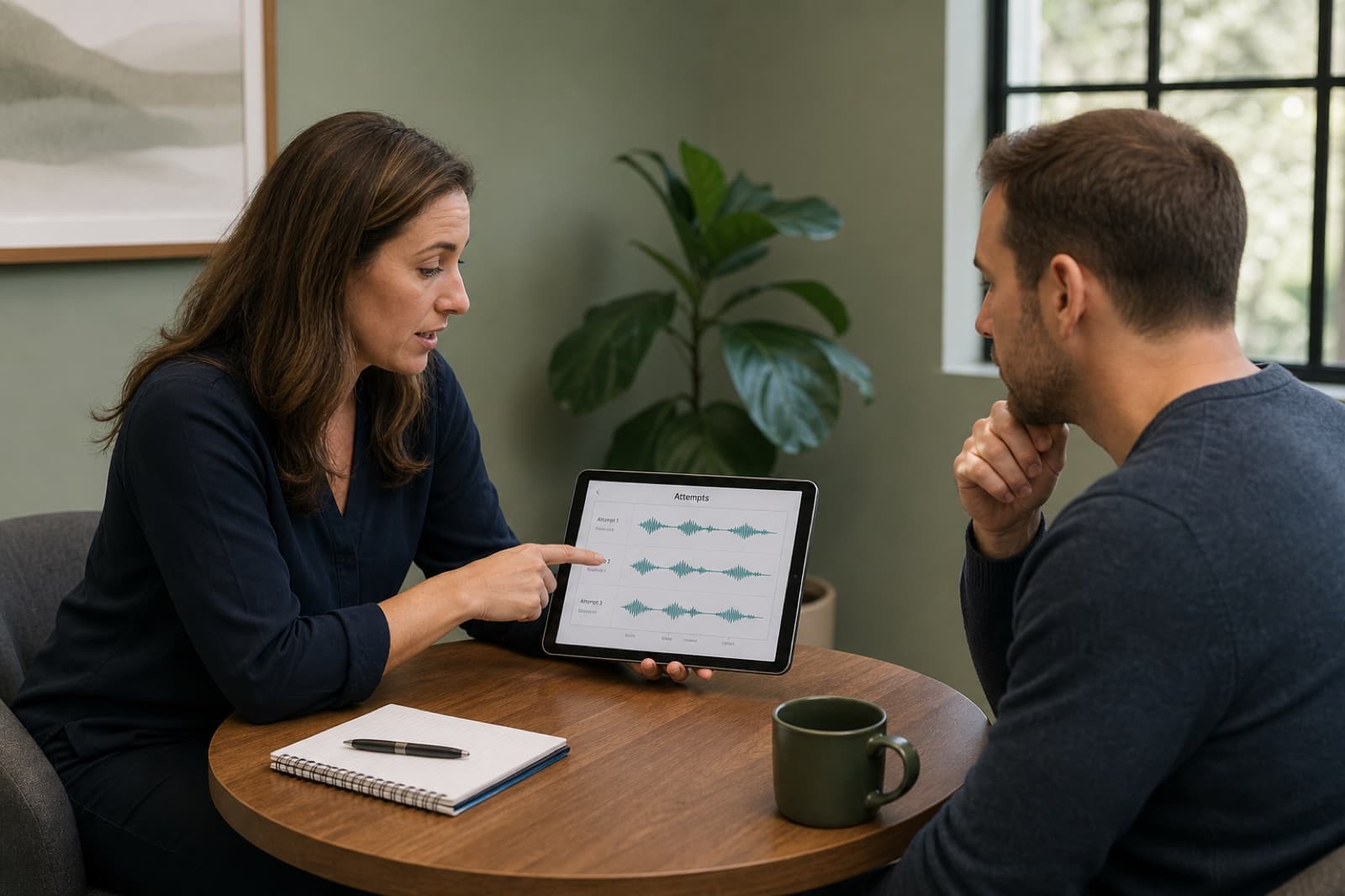 03
03See the assessment engine, without the agent layer.
Choose the product SDK experience or the MCP agent walkthrough based on how you plan to integrate.
/built for guided practice
Between-session practice only helps if the task stays comparable and the language stays careful. The product records; the professional interprets.
Targets, prompts, frequency and what the participant sees remain under specialist control—not a generic game loop.
Repeat the same acoustic and fluency measures under known device and environment conditions so change is not mistaken for progress.
Describe measurements and practice adherence. Do not present the engine as diagnosis, treatment or a substitute for professional judgment.
/support, not diagnosis
Decide how acoustic evidence supports the professional plan without presenting the engine as a diagnosis.
Progress between sessions is difficult to observe without consistent practice evidence.
A repeatable practice loop and clearer longitudinal signals for the professional overseeing it.
/who acts on the evidence
Needs: Simple exercises and neutral, supportive feedback.
A repeatable practice routine with visible progress.
Needs: Evidence from the time between sessions.
Comparable attempts and adherence signals for planning follow-up.
Needs: A safe boundary between measurement and clinical judgment.
Clear product roles, review flows and escalation language.
/assign, practise, review
A single high score is less useful than a comparable series the professional can review quickly.
The professional chooses the target, prompt and frequency that fit the individual plan.
The product records a consistent response and avoids overwhelming the participant with raw scores.
Repeat the same acoustic and fluency measures across attempts under known conditions.
The professional interprets the pattern, changes the task or follows up when evidence is unclear.
/ready for programme design
If the product over-claims, or the recording conditions drift, the evidence stops being usable.
Let the specialist choose targets, thresholds, language and what feedback the participant sees.
Record device and environment context so changes are not mistaken for progress.
Describe measurements and practice progress without making diagnostic or treatment claims.
Chivox provides speech measurements, not diagnosis or clinical judgment; a qualified professional remains responsible for interpretation and intervention.
/related scenarios

Speech assessment for young voices.
Open scenario
Give every learner useful speaking feedback, at any scale.
Open scenario
Hear the whole room, not only the learner who raises a hand.
Open scenario