
 01
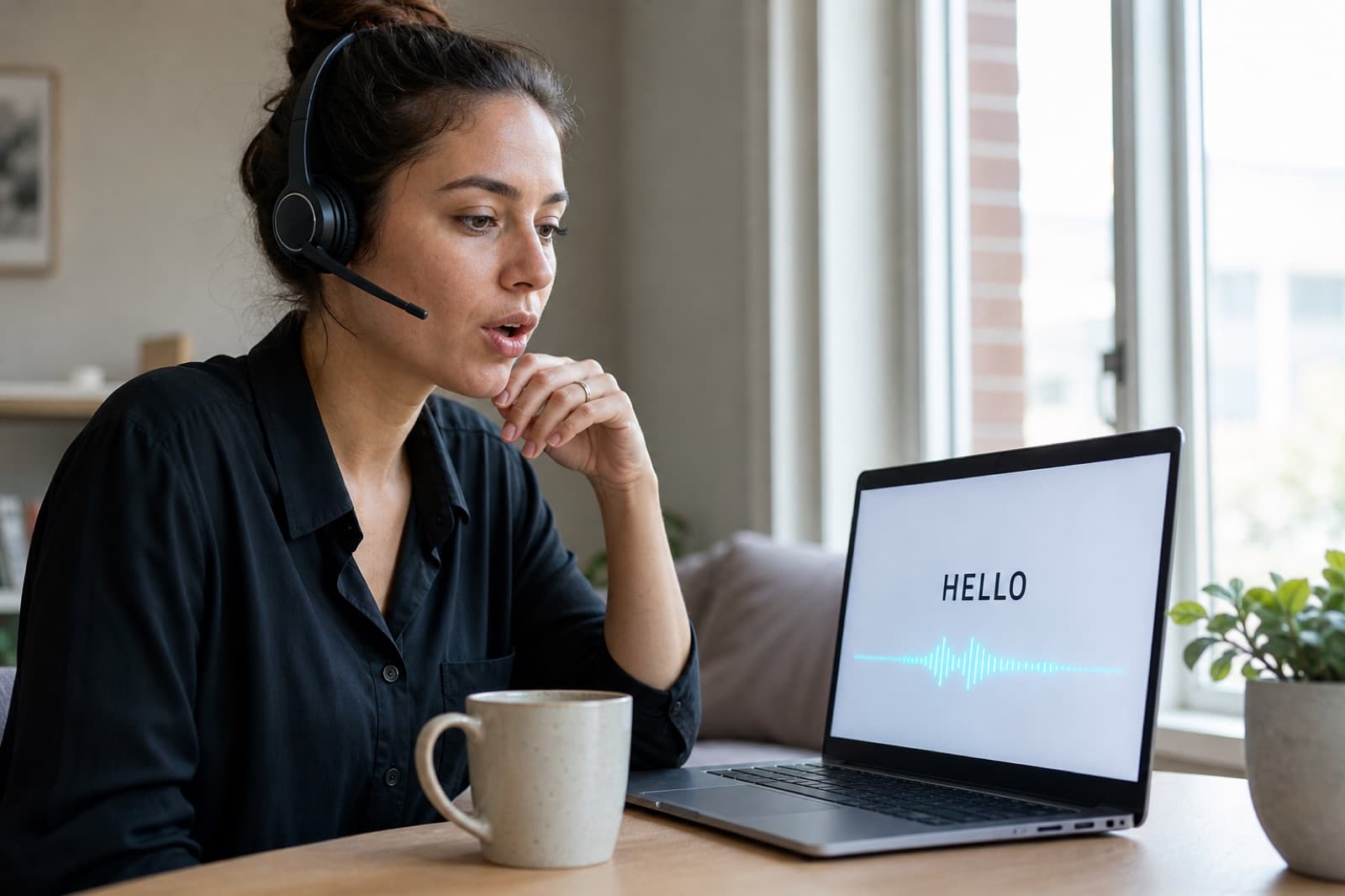
01Live speaking practice
- Learner experience
- Speak, hear one clear cue, and retry while the attempt is still fresh.
- Product signal
- Streaming or recorded audio, then pronunciation, fluency and completeness fields for that turn.
Add guided speaking practice, homework and online exams to language-learning products without putting a teacher behind every response.
Language-learning apps, online schools and adaptive tutoring products
/three product moments
The engine stays in the background. Your product decides whether this turn is a live drill, an assignment, or the next step in a tutoring path.
01 02
02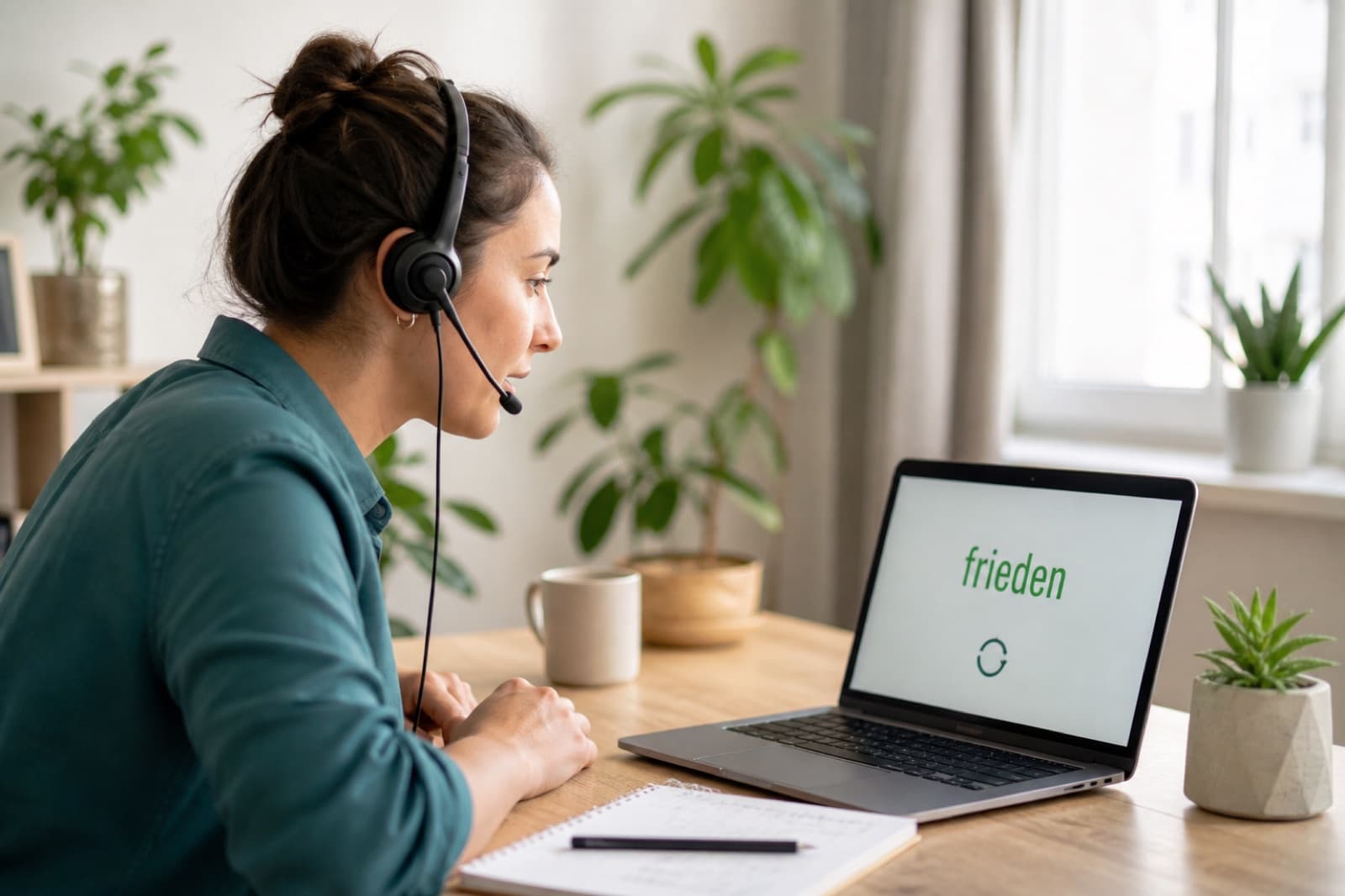 03
03See the assessment engine, without the agent layer.
Choose the product SDK experience or the MCP agent walkthrough based on how you plan to integrate.
/built for learning products
Online products need speaking feedback that can follow the learner through live drills, submitted homework and higher-stakes checks—without a teacher scoring every clip, and without reducing the course to a single lifetime score.
Return a usable cue quickly enough for a retry, a model, or a next item—rather than a transcript the product has to interpret later.
Stream a response or accept a recording. Completeness and audio-quality checks happen before pronunciation coaching is shown.
Overall, fluency, word and phoneme evidence can power hints, adaptive sequencing, teacher reports and learner models.
/the product decision
Decide what the learner should do next after every spoken response—not merely whether the audio was transcribed.
Large learner volumes make individual speaking feedback slow and inconsistent.
Immediate scores for learners and structured progress evidence for teachers and product teams.
/who acts on the evidence
Needs: A clear cue while the attempt is still fresh.
Immediate feedback and a focused retry instead of a generic score.
Needs: Visibility across more learners than they can hear live.
Progress and error patterns that make follow-up more targeted.
Needs: One assessment layer across several learning activities.
Stable fields that can power practice, reports and adaptive content.
/voice to action
Each step has an owner. The engine returns evidence; the product decides what the learner sees next.
Provide the language, task type, reference text or rubric, and the feedback depth the activity needs.
Accept live streaming or a submitted recording and reject incomplete or unusable audio before coaching.
Use overall, fluency, word and phoneme evidence from the English or Mandarin engine.
Show encouragement, explain one priority, assign a retry or update the learner model.
/ready for product design
The English or Mandarin engine is only one layer. The product still owns activity design and how results are used.
Define what a useful attempt looks like for drills, reading, conversation or open-ended speaking.
Map evidence to age, level and teaching language instead of exposing the raw payload.
Store comparable signals across activities without reducing learning to one lifetime score.
Audio quality and task completeness should be checked before the product presents pronunciation feedback.
/related scenarios

Speech assessment for young voices.
Open scenario
Hear the whole room, not only the learner who raises a hand.
Open scenario
Make speaking assessment consistent, explainable and easier to operate.
Open scenario